Chemical peels use exfoliating acids, or carefully formulated combinations of these acids, to target different layers of the skin and stimulate renewal, partly by removing dead skin cells. This helps improve skin firmness and texture and create a more even skin tone.
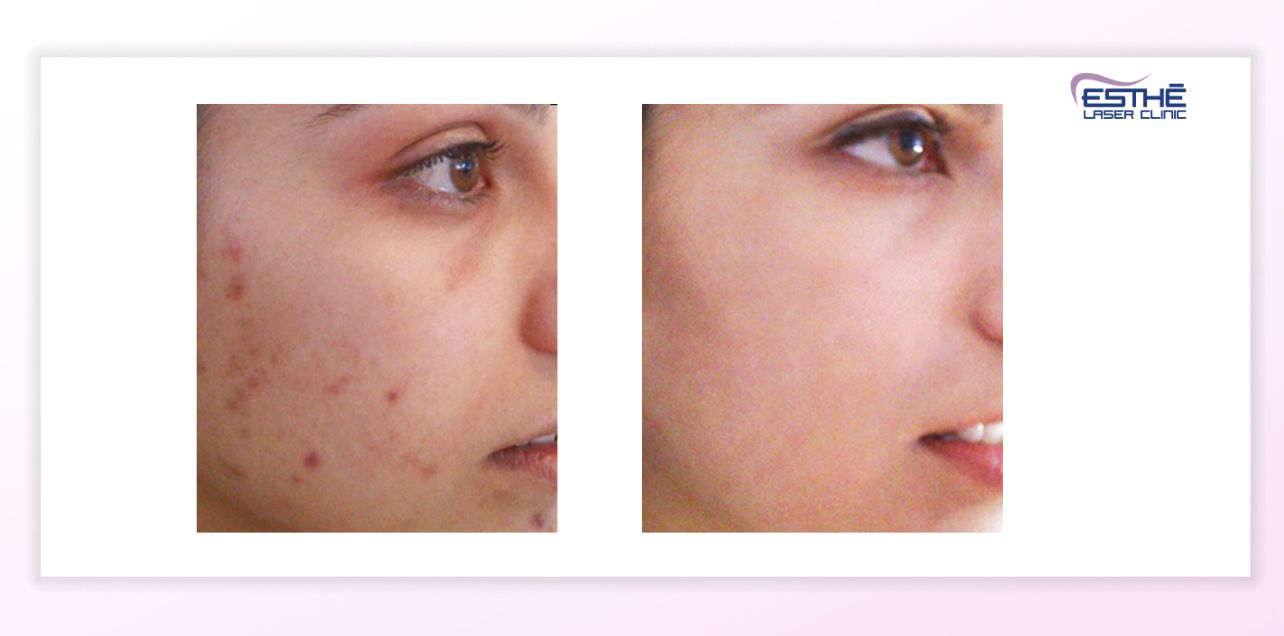
For clients with acne-prone or oily skin, chemical peels can also be an effective addition to treatment. The acids penetrate the pores, help remove excess sebum and clear blocked hair follicles. They also help reduce inflammation, promote cell turnover and limit the formation of new blemishes. Chemical peels can therefore help manage active acne and reduce the appearance of post-acne scarring and pigmentation.
Retinol peels have a special place among chemical peels. Rather than relying primarily on exfoliating acids, they use retinol (vitamin A) or its derivatives to stimulate skin renewal. Their effects extend beyond surface exfoliation, influencing cellular processes involved in skin renewal and collagen production and helping improve skin quality over time.
What Can Chemical Peels Treat?
Chemical peels are an excellent option for clients who want to brighten and rejuvenate their skin without invasive procedures. Depending on the desired outcome, we select different combinations and concentrations of acids. Chemical peels are commonly used to address:
- Acne and the appearance of post-acne scars – by helping regulate excess sebum, unclog pores and reduce inflammation
- Uneven skin tone and texture
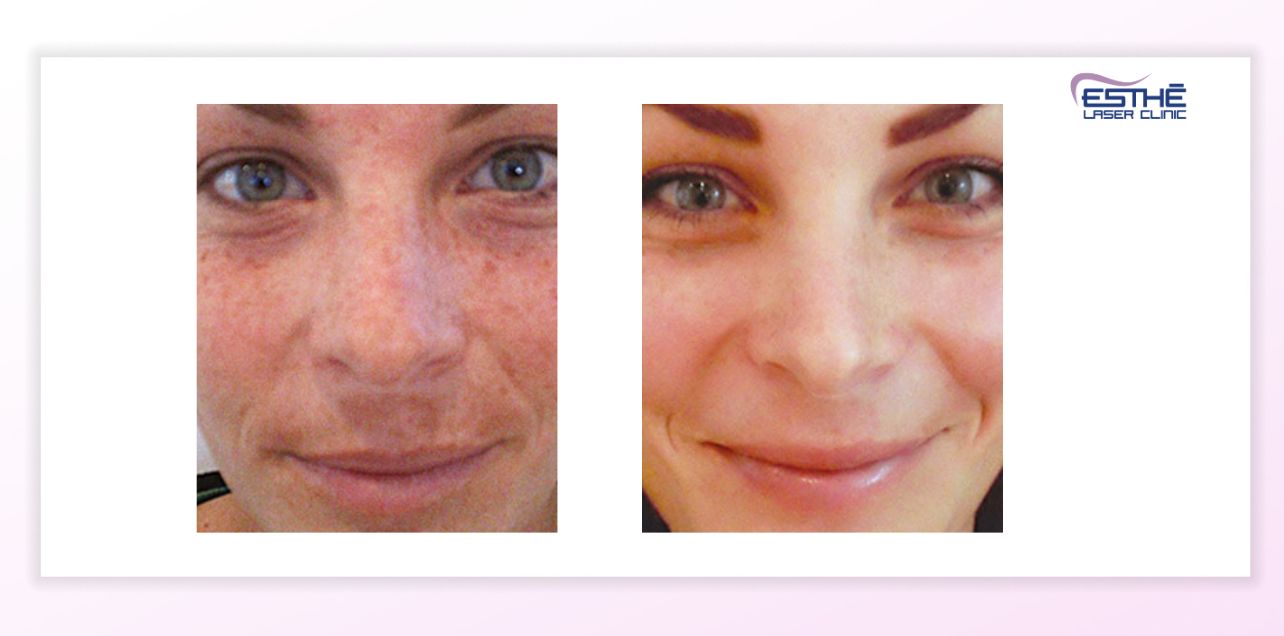
- Mild pigmentation and dark spots
- Fine lines and wrinkles
- Rough skin texture and enlarged pores
- Reduced skin firmness and elasticity associated with ageing, by stimulating cell renewal and improving the overall appearance of the skin
I’d Like to Try a Chemical Peel
What Is a Chemical Peel and How Does It Work?
Chemical peels use carefully selected concentrations of acids, most commonly glycolic acid, but also mandelic, lactic, salicylic or trichloroacetic acid (TCA). These acids act on the outer layers of the skin, causing controlled exfoliation – the removal of dead skin cells – and stimulating skin renewal.
By removing the build-up of dead skin cells and helping to unclog pores, chemical peels can support acne treatment (link). They can also improve skin texture and promote the renewal of healthy skin cells, leaving the complexion looking smoother, fresher and more radiant. Depending on the type of peel used, treatment may also help improve skin hydration and the appearance of fine lines.
How Do Chemical Peels Differ? Acids vs. Retinol
Retinol peels differ from conventional chemical peels in both their mechanism of action and depth of penetration. While traditional chemical peels use exfoliating acids to remove the outer layers of the skin and smooth its surface immediately, retinol peels work at a deeper level, stimulating cell renewal and collagen production and improving skin quality from within.
However, more pronounced results require a more intensive treatment course and a longer recovery period. Retinol peels are generally recommended more often for mature skin that needs a more comprehensive boost to revitalise and rejuvenate it.
What Does the Treatment Involve and How Long Do the Results Last?
Chemical Peel
- The treatment begins with a thorough cleansing and degreasing of the skin.
- A chemical peel solution is then applied and left on the skin for a carefully controlled period of several minutes, depending on your skin type and the concentration of the acid used.
- You may experience a slight stinging or warming sensation, which is completely normal and usually subsides quickly. Once the peel has been neutralised and the skin soothed, we apply a restorative cream.
- Improvements are visible after the first treatment, but optimal results are achieved after a course of 4–6 sessions, spaced 1–2 weeks apart. During the course, we may gradually increase the concentration of glycolic acid. To maintain the results, we recommend repeating the treatment 1–2 times a year.
Retinol Peel
- The treatment begins with a thorough cleansing and degreasing of the skin.
- We then apply the retinol peel, after which you can leave the clinic. The applied layer is fairly discreet – imagine a thin, transparent layer with a slight sheen.
- You wash the peel off yourself at home after 8 hours.
Expect significant skin peeling and possible redness around the third or fourth day after treatment. - Depending on your skin condition and the desired results, we recommend 1–3 applications, spaced 6 weeks apart.
We treat the face and décolletage. Chemical peels can also be used on other areas, such as the back or backs of the hands.
I’d Like to Brighten My Skin with a Chemical Peel
View Our Before and After Gallery

- Avoid self-tanning products and sunbeds for 3–5 days before treatment.
- Avoid sunbeds throughout the entire course of treatment and protect your skin from sun exposure as much as possible.
- Use SPF 50+ throughout the treatment course and for approximately one week after its completion.
- You may wear make-up, but choose a suitable non-comedogenic product, ideally one that also contains SPF.
- Avoid saunas, steam rooms, swimming pools and strenuous exercise for 2–3 days after treatment. Take it easy on the day of your appointment.
- Do not use retinol-based or exfoliating skincare products.
- Avoid alcohol-based toners, which can excessively dry out the skin, as well as exfoliating creams.
- Once your skin has calmed down, we recommend using a fragrance-free moisturiser or a cream containing a lower concentration of glycolic acid (e.g. NEOSTRATA Resurface Day and Night Cream). These may be used alongside prescribed medication, if recommended by your doctor.
- Do not pick or remove any small flakes of skin. Allow your skin to regenerate naturally.
- After treatment, you may experience mild to more pronounced skin peeling, redness and slight temporary swelling in the treated areas. These reactions are a normal and expected part of the treatment process and may last for several days, or up to one week after the procedure.
Pregnancy or breastfeeding, active inflammation, an injury or mole in the treatment area, skin infections, eczema or psoriasis in the area to be treated, recently tanned skin, ongoing cancer treatment or severe autoimmune disease, and the use of certain photosensitising medications (e.g. tetracyclines or isotretinoin).
FAQ – Frequently Asked Questions About Chemical Peels
No. You may experience a slight stinging or warming sensation, but this usually subsides within a few minutes.
Yes. We have had very good results combining chemical peels with Smoothbeam laser treatment for acne.
Yes. They help remove excess sebum, unclog pores, reduce inflammation and prevent new blemishes from forming. However, they are not a standalone solution. We use them as an effective addition to laser or combination acne treatment.
Price list
| Chemical peeling | Price |
|---|---|
| Initial examination (paid only on the 1st visit) | 500 CZK |
| Face or décolletage | 1,900 CZK |
| Subscription for 4 procedures (1 subscription proc. 1,450 CZK) | 6,600 CZK |
| Subscription for 6 procedures (1 subscription proc. 1,350 CZK) | 9,300 CZK |
| Face and décolletage | 2,900 CZK |
| Subscription for 4 procedures (1 subscription proc. CZK 2,550) | 10,200 CZK |
| Subscription for 6 procedures (1 subscription proc. CZK 2,400) | 14,400 CZK |
| Neck | 1 200 CZK |
| Subscription for 4 procedures (1 subscription proc. 1 020 CZK) | 4,080 CZK |
| Subscription for 6 procedures (1 subscription proc. 960 CZK) | 5,760 CZK |
| Back | 3,000 CZK |
| Subscription for 4 procedures (1 subscription proc. 2,600 CZK) | 10,400 CZK |
| Subscription for 6 procedures (1 subscription proc. 2,400 CZK) | 14,400 CZK |
| Retinol peeling | |
| Face | 2,800 CZK |
| Neck | 2,200 CZK |
| Décolletage | 3,000 CZK |
